
From Ōtsu Station, take the JR Biwako Line to Ishiyama Station. Transfer to the Keihan Ishiyama-Sakamoto Line and ride to Ishiyamadera Station, then walk for about 10 minutes.
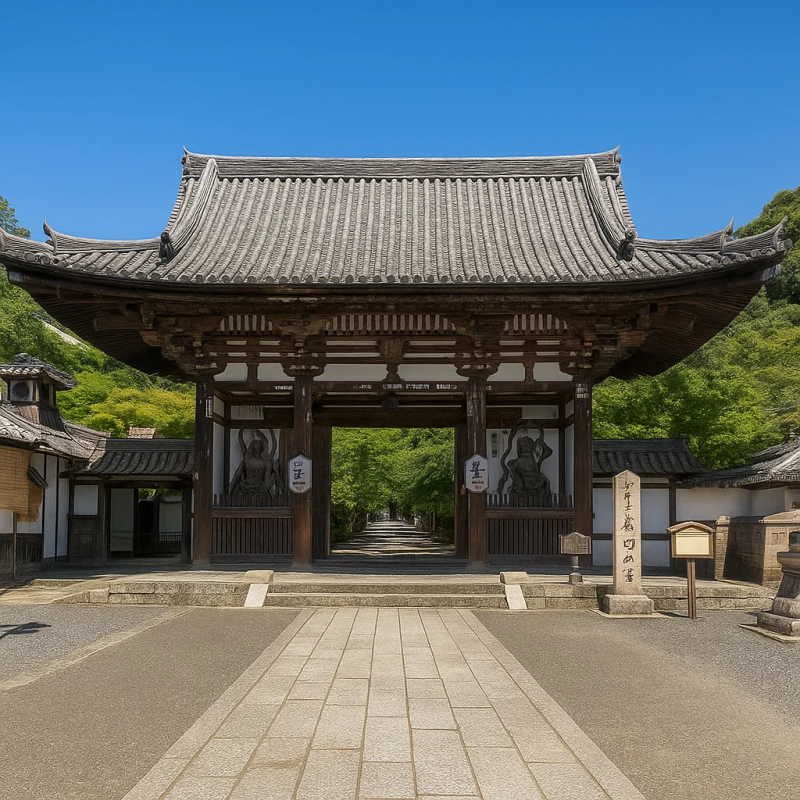
Ishiyama-dera Temple
—
2 of 14 in Otsu
Ishiyamadera Temple (石山寺) rests along the peaceful banks of the Seta River in Ōtsu, surrounded by natural scenery that shifts beautifully with the seasons. Founded in 747 and long associated with Kannon worship, the temple has drawn emperors, poets, and pilgrims for over a thousand years. Its nickname, the “Temple of Flowers,” comes from the blossoms that appear throughout the year—early plum and camellia in winter, bright cherry blossoms in spring, lush greenery and peonies in summer, and fiery maple foliage in autumn. Winding stone paths lead visitors past lanterns, temple gates, and moss-covered terraces to scenic viewpoints overlooking the river. The autumn moon viewed from the temple grounds has been celebrated for centuries as one of the Eight Views of Ōmi, giving the site a poetic and contemplative atmosphere.
Ishiyamadera also holds an honored place in Japan’s literary heritage. According to tradition, the writer Murasaki Shikibu began conceiving The Tale of Genji here while gazing at the full moon in 1004. A small chamber known as Genji no Ma preserves this connection, offering travelers a tangible link to one of the world’s earliest and most influential novels. The temple’s architecture and treasures deepen this sense of timelessness: the main hall, a designated National Treasure, stands partly atop a rare outcropping of sacred wollastonite rock, while the graceful Tahōtō pagoda rises above the treetops. Exhibits, ancient scrolls, and devotional icons reflect Ishiyamadera’s enduring role as a sanctuary where faith, literature, art, and landscape merge into a living cultural heritage.
Hours and Fees
Ishiyama-dera Temple
- Opening hours
-
8:00 AM to 4:30 PM
- Closed
-
No closing days
- Entrance fee
-
600 yen
Getting there
Google MapsResources
English
Ishiyama-dera Temple
Official website
Japanese
Ishiyama-dera Temple
Official website
Nearby

Reviews
There are no reviews